

Women’s education in India has traveled a remarkable journey, from the days of marginalization to becoming a significant contributor to national development and individual empowerment. Despite a complex interplay of societal, economic, and political influences that often hindered women’s access to education, concerted efforts over the centuries have brought about transformative progress.
Here we explore the evolution of women’s education in India, tracing key milestones, influential leaders, policy shifts, and the enduring challenges that continue to shape the landscape.
Early History: The Roots of Education for Women
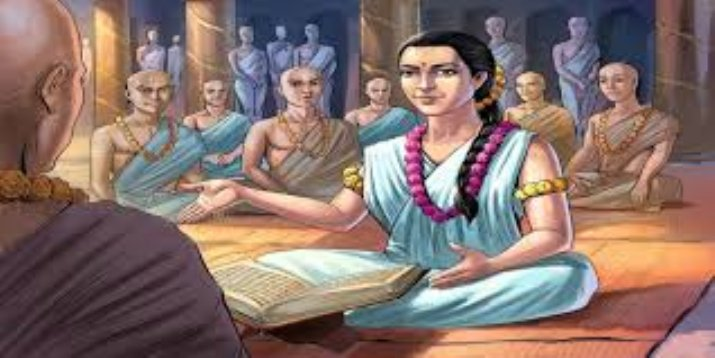
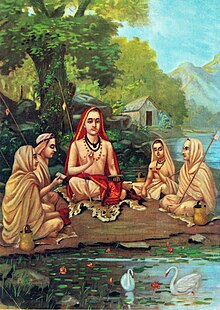
Historically, India’s ancient scriptures and Vedic literature reflect a society where women enjoyed access to learning. During the Vedic period, women such as Gargi and Maitreyi emerged as noted scholars and philosophers, symbolizing an era that valued intellectual pursuits across genders. However, the later Vedic period witnessed a decline in women’s status, as social structures became more rigid, leading to restrictions on women’s rights and freedoms, including the right to education. This shift paved the way for centuries of gender inequality in educational opportunities.
Medieval Period: Regressive Norms and Restricted Access
During the medieval period, the position of women in society regressed under the influence of prevailing cultural, religious, and political practices. The era saw the rise of orthodox practices like child marriage, purdah (veil) system, and the general seclusion of women from public life, effectively barring them from formal education. This was compounded by foreign invasions that brought socio-cultural changes further limiting women’s roles in society.
However, in certain communities and regions, informal education for women persisted, especially in the fields of arts, crafts, and religious studies. Yet, opportunities for academic or intellectual development remained scarce for most women in this period.
Colonial Era: The Dawn of Change and Reform Movements
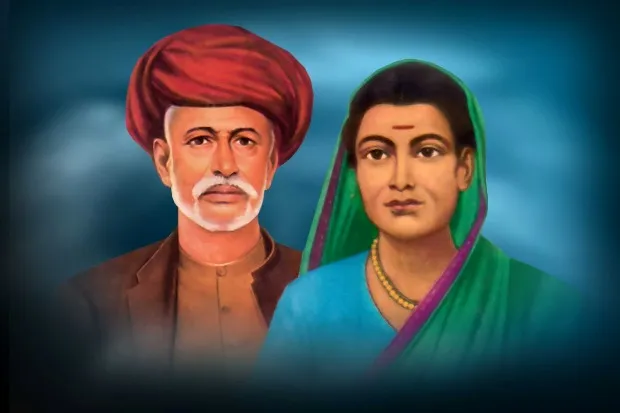
The arrival of British colonialism in the 18th century gradually altered the status quo. British missionaries and reform-minded Indians recognized the importance of women’s education as part of a broader socio-cultural reform movement. Pioneers like Raja Ram Mohan Roy, Ishwar Chandra Vidyasagar, and Jyotirao Phule championed the cause of women’s education, leading to initiatives aimed at educating girls and eradicating practices like child marriage and Sati (widow burning).
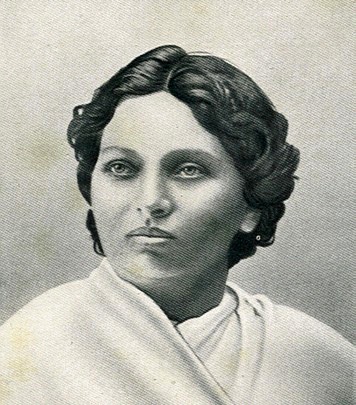
Prominent women reformers such as Pandita Ramabai and Savitribai Phule made substantial contributions by establishing schools exclusively for girls. In 1848, Savitribai Phule, along with her husband Jyotirao, established the first school for girls in Pune, Maharashtra. This was a watershed moment, challenging deeply entrenched societal norms and setting the foundation for a more inclusive education system.
Post-Independence Period: A New Era of Commitment and Policy Reforms
After India gained independence in 1947, women’s education became a critical focus of nation-building. Recognizing the role of education in social and economic empowerment, the government introduced policies aimed at promoting universal education. The Indian Constitution enshrined gender equality and the right to education as fundamental rights, signaling a commitment to bridge the educational gender gap.
Successive Five-Year Plans, launched from 1951 onward, prioritized women’s education through initiatives like free primary education for girls, the establishment of special scholarships, and training programs aimed at boosting female literacy. The National Policy on Education (1968) recognized the importance of women’s education and called for comprehensive changes to make education more inclusive.
In 1986, a revised National Policy on Education explicitly stated the importance of empowering women through education, laying the groundwork for greater government intervention and funding. The policy emphasized vocational training, adult literacy, and distance learning programs for women who had missed out on formal schooling.
Recent Developments: Policy Reforms and Technological Advancement
In recent decades, India has made tremendous strides in women’s education, driven by robust policies, economic liberalization, and advancements in technology. The Right to Education Act (2009) mandated free and compulsory education for all children aged 6 to 14, benefiting countless girls who might otherwise have been deprived of schooling.
The National Education Policy (NEP) 2020, a transformative framework for India’s educational system, emphasizes gender equity and aims to address the barriers that girls face in accessing education. The NEP 2020 calls for gender-inclusive curricula, gender-sensitive teacher training, and a special focus on girls from marginalized communities, reinforcing the government’s commitment to breaking the cycle of gender disparity.
Technological advancements have also played a pivotal role in expanding access to education for women. Digital platforms and e-learning have opened new avenues for women, especially in rural areas where traditional schools may not be accessible. Initiatives like Beti Bachao Beti Padhao, launched in 2015, have further highlighted the importance of educating girls and addressing societal biases that impede their educational opportunities.
Persistent Challenges: Barriers and Gaps in Women’s Education
Despite significant progress, the journey toward gender parity in education is far from complete. Socio-economic challenges, patriarchal attitudes, and infrastructural gaps continue to limit women’s access to education. In rural and economically marginalized communities, girls often face barriers such as poverty, early marriage, and a lack of safe transportation to schools. Social expectations regarding gender roles frequently pressure girls to prioritize household responsibilities over academics.
Furthermore, dropout rates remain disproportionately high for girls at the secondary and higher education levels due to financial constraints, social pressures, and the limited availability of gender-sensitive facilities in schools, such as separate washrooms and safe accommodations.
The Road Ahead: A Vision for Inclusive and Empowered Education
The future of women’s education in India hinges on sustained policy focus, social reforms, and community involvement. Comprehensive strategies are needed to address systemic challenges and provide young girls with the resources, encouragement, and support they need to pursue their educational dreams.
Ensuring affordable access to quality education, promoting vocational training, and implementing scholarships and financial aid can help bridge the gender gap. Community-driven initiatives that engage parents, local leaders, and educators are crucial to dismantling societal biases and promoting a culture that values girls’ education. Moreover, leveraging technology to facilitate remote and flexible learning options can reach women in remote and underserved areas.

