
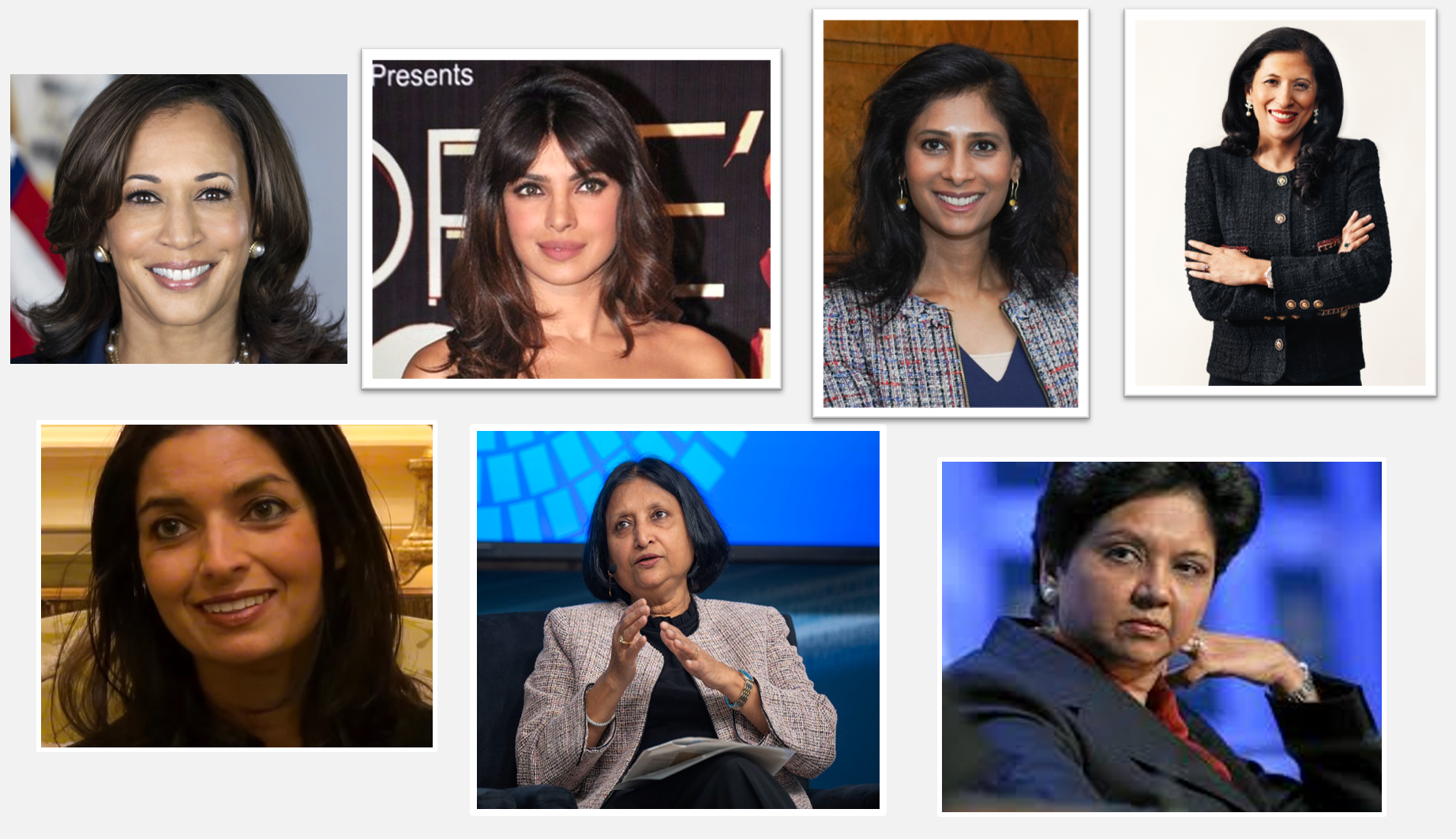
Indian-origin men leading global organizations has become a familiar narrative. However, it’s time to shine a light on the equally impactful contributions of Indian women in the diaspora, who are playing transformative roles in shaping cultural, political, economic, and social landscapes worldwide. Whether steering multinational corporations, driving global economic policies, or advancing political diplomacy, Indian women in the diaspora are rising as powerful global changemakers, redefining leadership and influence on the world stage
Several of these women leaders have been pioneers and often the “first females” in the top leadership of their organisations. They have all won several awards in recognition of their achievements and featured in various lists of the Most Powerful women in the world, over the years.
Many of them are at the forefront of social justice movements, addressing issues such as gender inequality, racism, and caste-based discrimination. Indian women in the diaspora are especially proving to be role models for women and girls, and have undertaken various initiatives to use their platforms to advocate for empowerment of women around the world. They bring awareness to issues such as gender-based violence, economic inequities, and reproductive rights, framing these challenges within an intersectional perspective that acknowledges race, class, and migration status.
Here I list down the achievements and impact of some of these women across various spheres of policymaking, business and culture:
Women Making a Mark in Political Leadership
The 2021 Indiaspora Government Leaders List highlighted over 200 leaders of Indian descent who have ascended to various high-ranking positions in government across 15 countries – unsurprisingly most of them being men. Figures like Rishi Sunak represented the pinnacle of Indian-origin leadership in global politics.
However, the spotlight is increasingly turning towards women of Indian descent who can reshape political narratives in the coming future. Kamala Harris, the current Vice President of the United States and a Democratic nominee for the 2024 Presidential election, has become the quintessential “poster girl” of the leadership potential of Indian women in the diaspora. Born to an Indian mother, Dr. Shyamala Gopalan, a renowned breast cancer researcher, Harris has broken multiple barriers as the first female, African American, and Asian American Vice President. Her legal career was marked by significant efforts to reduce crime and improve public safety as District Attorney of San Francisco (2004-2011), followed by her work protecting homeowners and fighting for veterans and students as Attorney General of California (2011-2017). As a U.S. Senator (2017-2021), she championed healthcare reform, education, and immigration, and continues to advocate for families and fundamental freedoms as Vice President.



Harris is not alone in exemplifying the rising influence of Indian-origin women in politics. In Canada, Anita Indira Anand serves as President of the Treasury Board after a distinguished tenure as Minister of National Defence, while Kamalpreet Khera holds the role of Minister of Diversity, Inclusion, and Persons with Disabilities. These women are redefining the political landscape, advocating for more inclusive and equitable governance, and reinforcing the critical role that Indian-origin women play in advancing global political discourse. Their leadership promises to impact generations to come, cementing their legacies as pioneers of change.
Women Leading International Organizations and Economic Policymaking
While prominent figures like Ajay Banga, President of the World Bank, and Dr. Raghuram Rajan, former Chief Economist at the International Monetary Fund (IMF), have made significant strides in global economic policymaking, an increasing number of women are emerging as leaders in multilateral organizations. These women are not only breaking barriers in traditionally male-dominated fields but are also shaping the future of global economic policy and development. Their leadership and expertise are advancing the causes of inclusion, sustainability, and international cooperation, ensuring that women’s voices are heard at the highest levels of global decision-making.
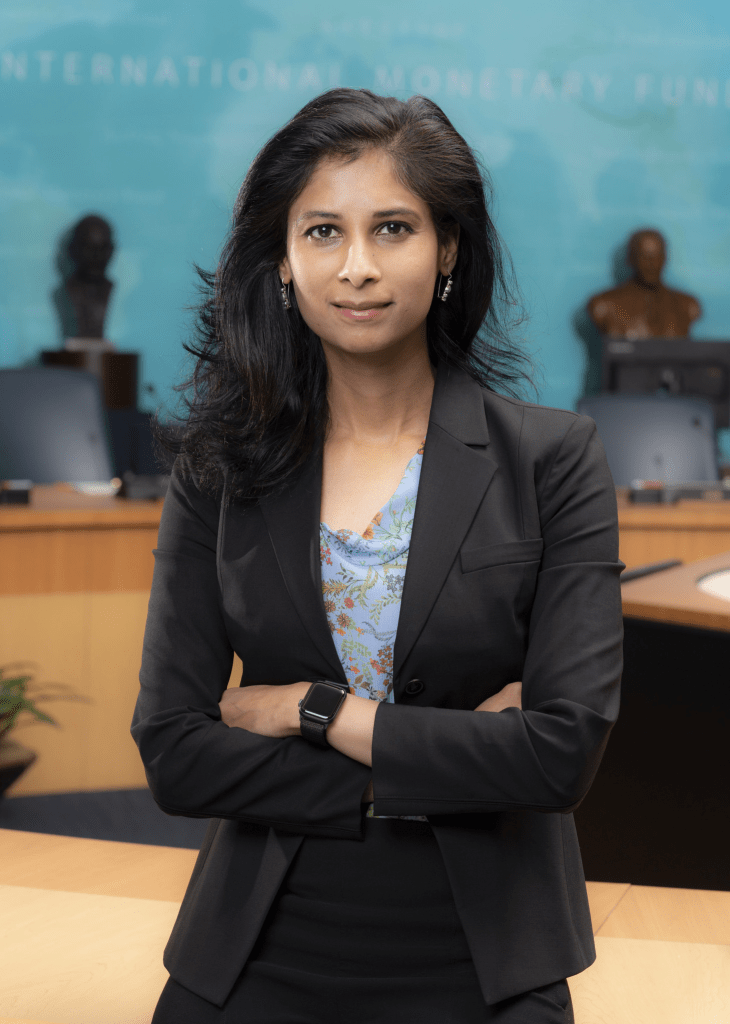
At the forefront is Gita Gopinath, an Indian-American economist and the first woman to serve as Chief Economist of the IMF. Gopinath has played a pivotal role in shaping the IMF’s economic policy and research agenda, particularly with her work on exchange rate fluctuations through the concept of the “dominant currency paradigm.” Her research extends to the impact of trade policies on economic growth and the effects of monetary policy on emerging markets. Beyond her technical contributions, Gopinath is a strong advocate for diversity and inclusion in economics, and for enhancing international cooperation to address global economic challenges.
Another leading figure is Anshula Kant, an accomplished Indian banker who has been the Managing Director and Chief Financial Officer of the World Bank since 2019—the first woman to ever hold this role. Kant is responsible for overseeing the World Bank’s financial strategies, risk management, and policy development. Her contributions to global finance have earned her recognition, including being named one of the “Top 100 Most Influential Women in Finance” by Financial News in 2020.
Dr. Soumya Swaminathan also made a significant global impact as the former Chief Scientist at the World Health Organization (WHO) during the COVID-19 pandemic. She played an instrumental role in shaping the WHO’s pandemic response, coordinating efforts on vaccine development, data sharing, and global health guidelines. Swaminathan had been a powerful advocate for equitable access to vaccines and treatments, as well as science-driven decision-making. Her leadership during the pandemic was widely recognized by major media outlets, including Time, the BBC, and The Lancet.


Equally notable are Kalpana Kochhar, now the Director of Development Policy and Finance at the Bill & Melinda Gates Foundation, and Nisha Agrawal, former CEO of Oxfam India, who have made significant contributions to global policy and advocacy work, focusing on issues such as poverty alleviation, healthcare access, and sustainable development.
Women Breaking the Glass Ceiling in Business and Technology
While leaders like Sundar Pichai (CEO of Alphabet), Satya Nadella (CEO of Microsoft), Shantanu Narayen (CEO of Adobe), and Arvind Krishna (CEO of IBM) have garnered much attention for their roles in driving technological and corporate innovation, a growing number of Indian-origin women are also making significant strides in global business, technology, and finance. Their leadership, innovation, and advocacy are reshaping industries and creating more inclusive workplaces across the globe.

Indra Nooyi, former CEO of PepsiCo, stands out as one of the most iconic business leaders of her generation. Known for her strategic vision, Nooyi transformed PepsiCo with her “Performance with Purpose” initiative, focusing on healthier products, sustainability, and social responsibility. Her leadership not only drove corporate growth but also promoted diversity and inclusion in the workplace. Since stepping down, Nooyi continues to influence both corporate and philanthropic sectors, and her memoir My Life in Full offers insights into her leadership journey and advocacy for policies that support working families.
Leena Nair is another trailblazer, becoming the first female CEO of Chanel in 2022. Previously, she served as the Chief Human Resources Officer at Unilever, where she was celebrated for her commitment to diversity and inclusion. Recognized as one of Fortune India’s Most Powerful Women, Nair has redefined leadership in the fashion and consumer goods industries.


In the advertising world, Devika Bulchandani has made waves as the Global CEO of Ogilvy, one of the world’s leading marketing agencies. She is the first Indian-American woman to lead a global advertising network, and her appointment marked a significant milestone for women of colour in the industry. Bulchandani has driven growth for Ogilvy’s North American operations and is a strong advocate for diversity, equity, and inclusion in the creative sector.



Sonia Syngal, former CEO of Gap Inc., oversaw the company during a period of significant growth and transformation. Meghana Pandit, the first female Chief Executive Officer of Oxford University Hospitals NHS Foundation Trust, is making history in the UK’s healthcare system. As the first person of colour to lead a Shelford Group NHS trust, Pandit oversees some of the country’s largest teaching hospitals and has been instrumental in advancing clinical strategies and medical excellence.
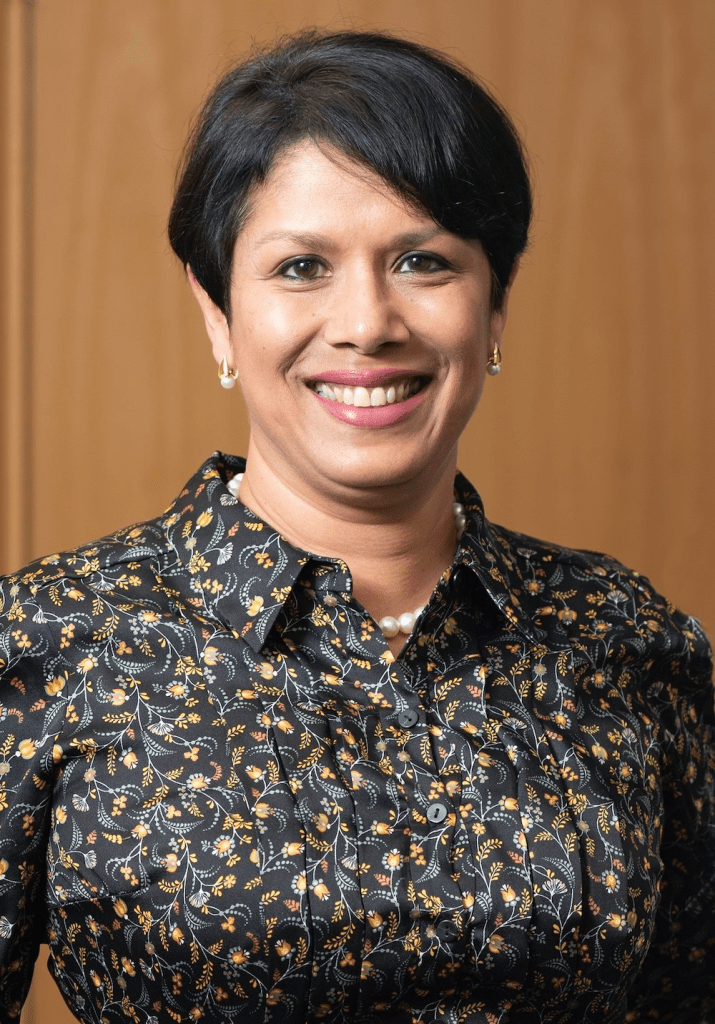

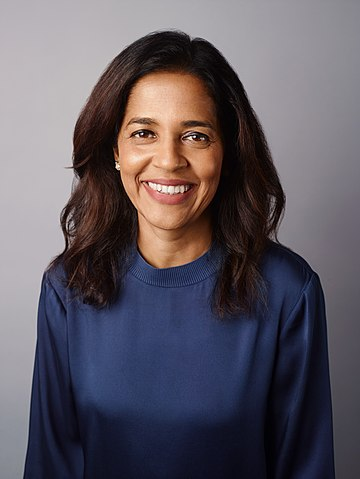

In the tech space, Anjali Sud, the CEO of Vimeo, has transformed the company from a video-hosting platform to a software-as-a-service (SaaS) company focused on creators and businesses. Under her leadership, Vimeo expanded globally and strengthened its position as a leading platform for video creators. Revathi Advaithi, as the CEO of Flex (formerly Flextronics), leads a global manufacturing and technology company, driving its digital transformation and strategic growth through key acquisitions and partnerships. Advaithi is also recognized for championing women in engineering and technology. Amrapali Gan, CEO of OnlyFans, has led the subscription-based social media platform to new heights, empowering content creators and reshaping digital content monetization.
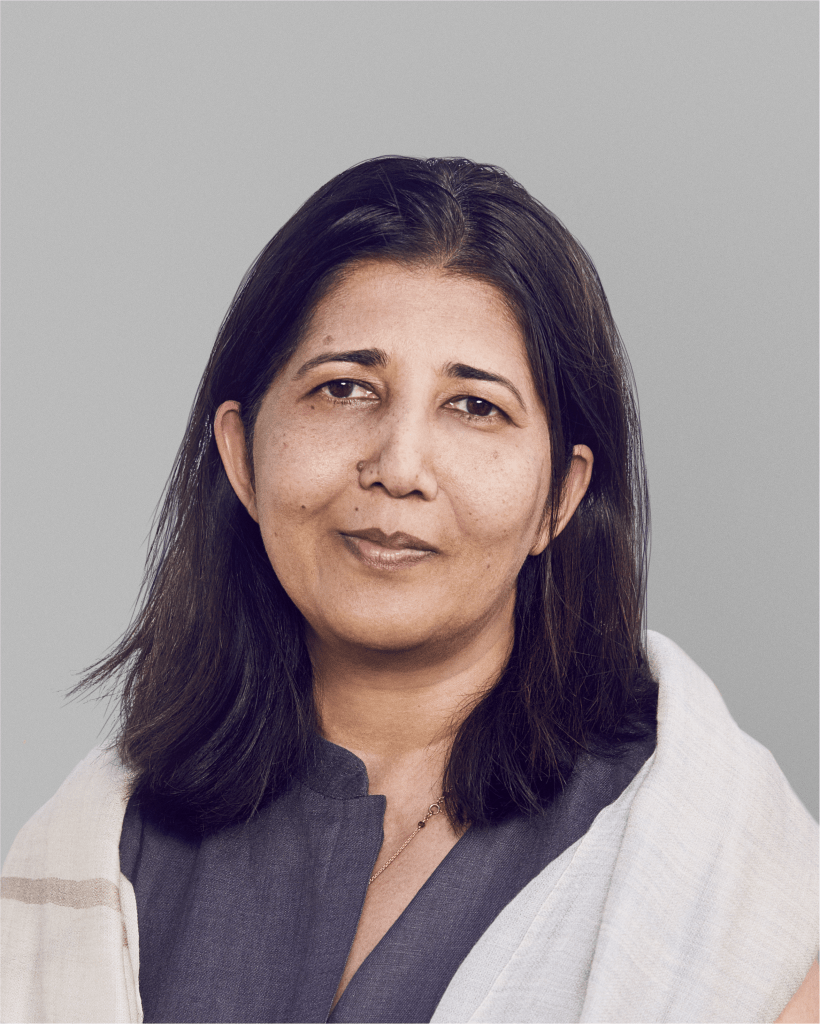


Cultural and Media Icons Shaping Global Development Narratives
Many Indian women in the diaspora have emerged as powerful cultural ambassadors and role models, blending Indian traditions with global contexts through arts, literature, film, and media. Together, these cultural and media icons are not only shaping global narratives but also driving important conversations on social justice, diversity, and inclusion. Their influence extends far beyond entertainment and literature, as they continue to inspire positive change and bridge cultural divides.
Leading the charge is Priyanka Chopra Jonas, a multi-faceted global icon recognized for her achievements as an actress, singer, producer, and philanthropist. After winning Miss World, She transitioned from Bollywood to Hollywood, where she became the first South Asian actress to lead an American drama series, Quantico. A dedicated philanthropist, she has served as a UNICEF Goodwill Ambassador since 2016, advocating for child rights, education, and gender equality. Her global influence extends through her work with the UN’s “Girl Up” campaign and her advocacy for refugee children. Chopra consistently uses her platform to champion social causes, particularly those benefiting girls and vulnerable communities worldwide.


Padma Lakshmi, an Emmy-nominated producer, television host, and New York Times best-selling author, is another influential figure. As an American Civil Liberties Union (ACLU) Artist Ambassador for immigrant and women’s rights, and a Goodwill Ambassador for the United Nations Development Programme (UNDP), Lakshmi has been a powerful advocate for marginalized communities. She co-founded The Endometriosis Foundation of America (EndoFound) and has made significant strides in advancing women’s health, including helping pass a bill related to teen health in the New York State Senate. In 2023, Time magazine named her one of its 100 Most Influential People, recognizing her relentless advocacy.

In the literary world, female authors offer rich perspectives on immigration, identity, and belonging.


Concluding thoughts
These are just a few names but it is time to recognize and showcase the remarkable impact that women of the Indian diaspora are making in driving global change and shaping critical narratives. From leadership roles in technology, business, and politics to advocacy for social justice and gender equality, Indian-origin women’s contributions not only highlight the power of diversity but also emphasize the essential role women play in fostering innovation, inclusivity, and transformative progress worldwide. Their stories are reshaping global narratives and must inspire future generations of Indian women to pursue their dream and conquer the world.
 Ellenomics